Best Time for Stamped Concrete Service
Choosing the optimal time for stamped concrete service depends on climate conditions and project requirements. Typically, the best time is during mild weather with stable temperatures, which ensures proper curing and adhesion of the concrete. In Seattle, WA, the ideal seasons are late spring through early fall, when temperatures are consistently between 50°F and 85°F and there is minimal precipitation.
Spring offers moderate temperatures and less rainfall, making it suitable for stamped concrete projects. Proper planning ensures the concrete cures effectively without weather disruptions.
Summer provides warm temperatures that facilitate curing, but excessive heat and direct sunlight may require additional precautions such as shading or watering to prevent cracking.
Early fall can be ideal due to cooler temperatures and lower humidity, reducing the risk of moisture-related issues during curing.
Winter in Seattle is generally unsuitable for stamped concrete due to cold temperatures, frequent rain, and snow, which hinder proper curing and may damage the surface.
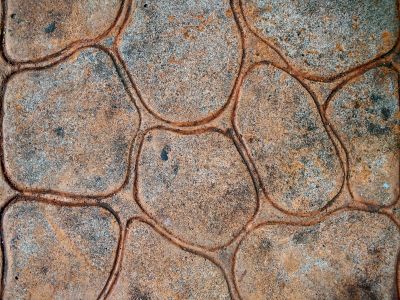
A freshly stamped concrete surface in spring, showcasing vibrant patterns and colors.
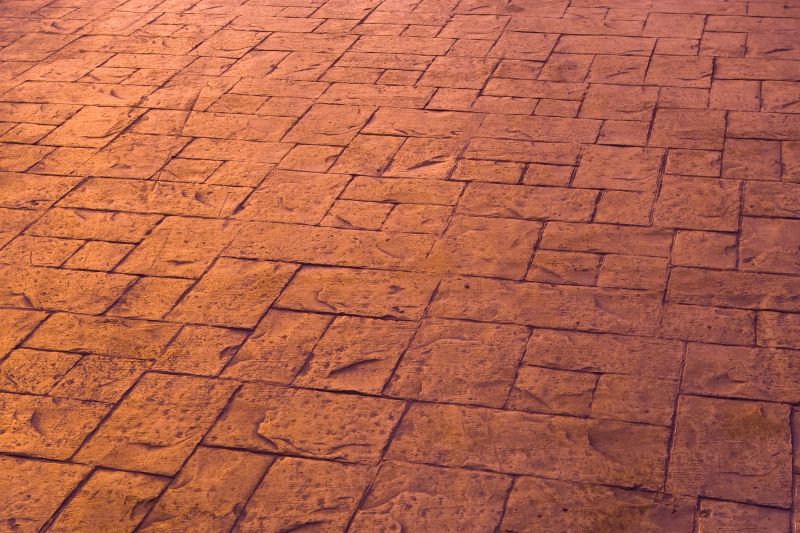
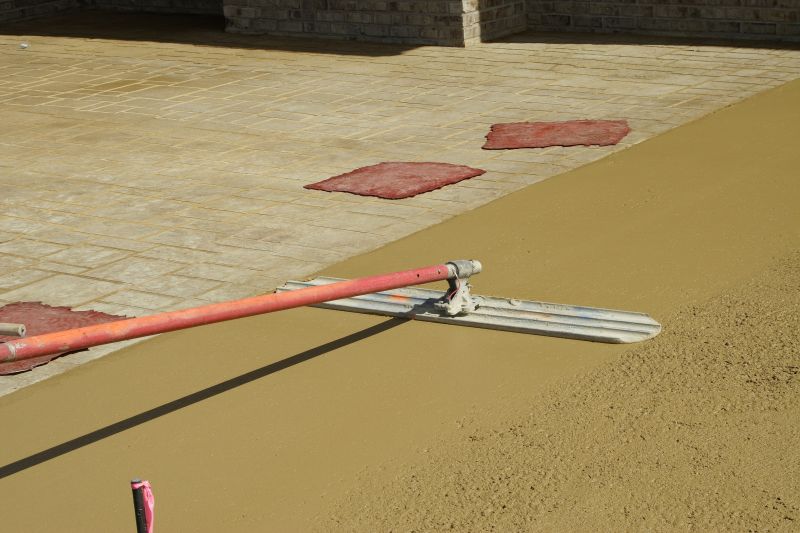
Concrete being stamped during warm weather, with proper shading techniques.
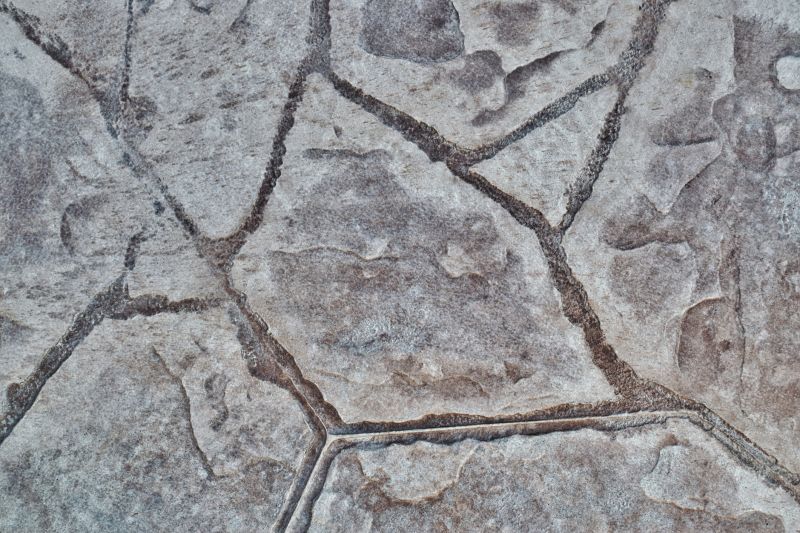
A stamped concrete project in early fall, highlighting ideal temperature conditions.
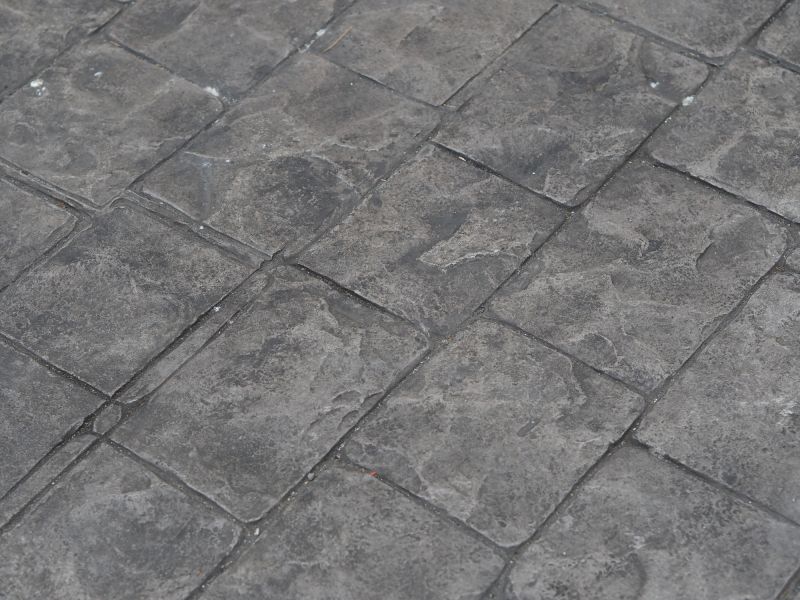
Ways to make Stamped Concrete Service work in tight or awkward layouts.
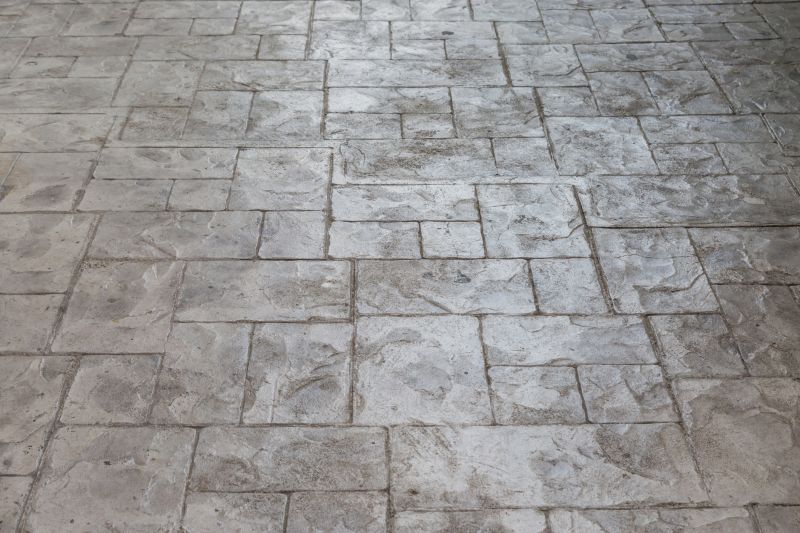
Popular materials for Stamped Concrete Service and why they hold up over time.
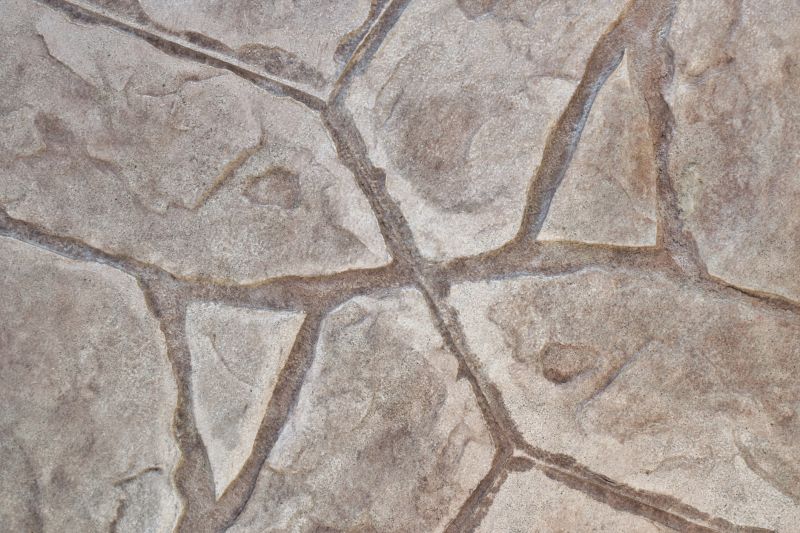
Simple add-ons that improve Stamped Concrete Service without blowing the budget.
Stamped concrete service involves the application of decorative patterns and textures to concrete surfaces, creating a variety of aesthetic options for driveways, patios, walkways, and more. Proper timing ensures the concrete cures correctly, which is vital for the longevity and appearance of the finished surface. According to industry data, the success rate of stamped concrete installations is highest when performed under suitable weather conditions, reducing the risk of cracking and surface imperfections.
In Seattle, scheduling stamped concrete projects during late spring through early fall maximizes the chances of a durable and visually appealing finish. Adequate planning around weather forecasts and temperature fluctuations can prevent issues such as surface cracking, uneven coloring, or poor adhesion. Proper curing time, typically 7 days, is crucial for optimal results, making the timing of the project an essential factor.
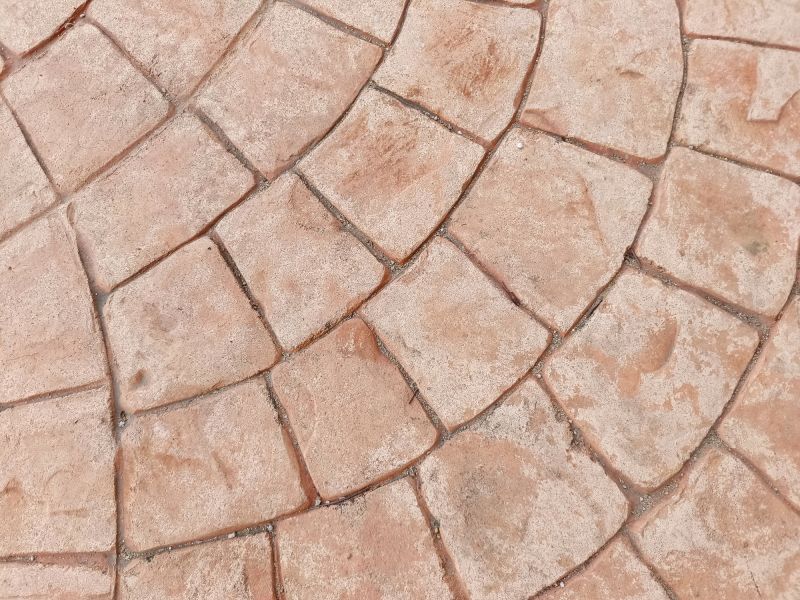
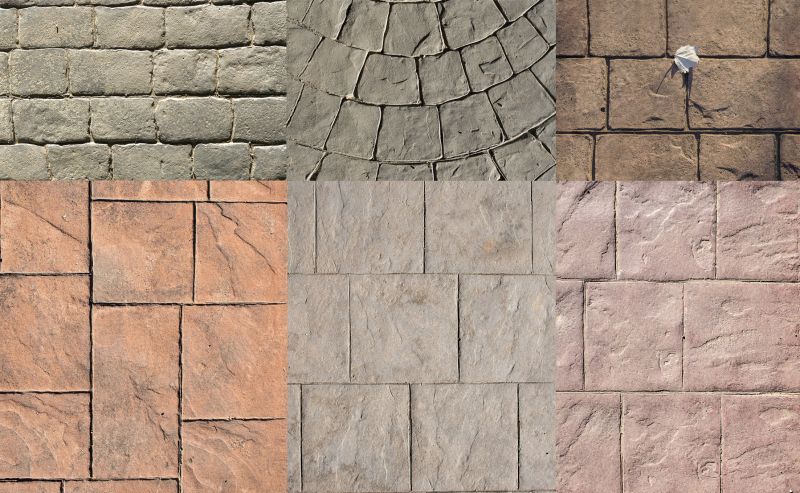
Close-up of stamped concrete with intricate patterns and colors.
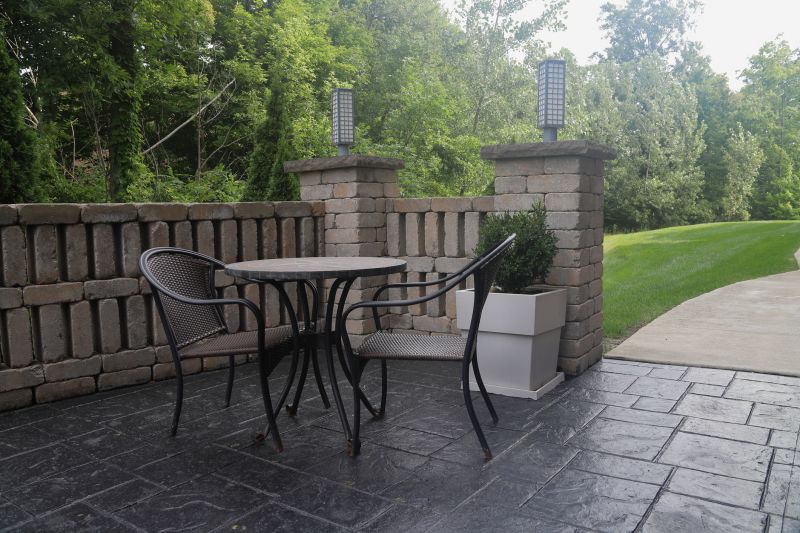
A beautifully stamped concrete patio in a landscaped setting.
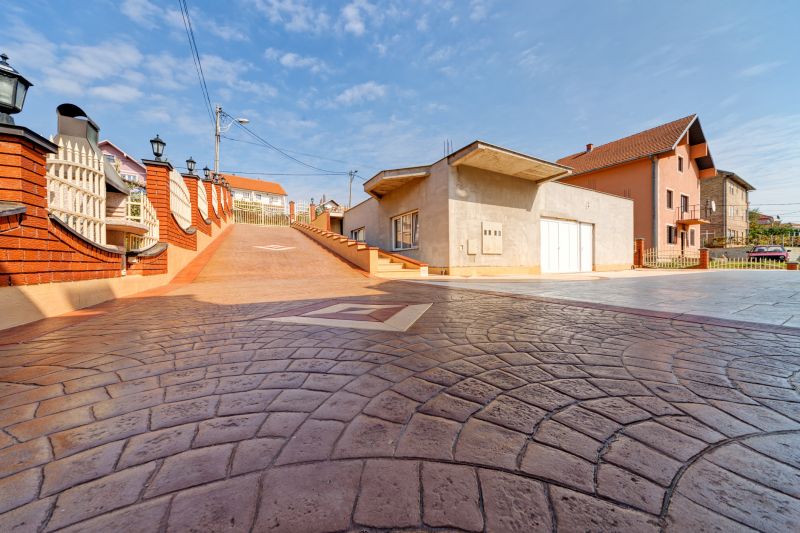
Stamped concrete driveway with textured surface and color accents.
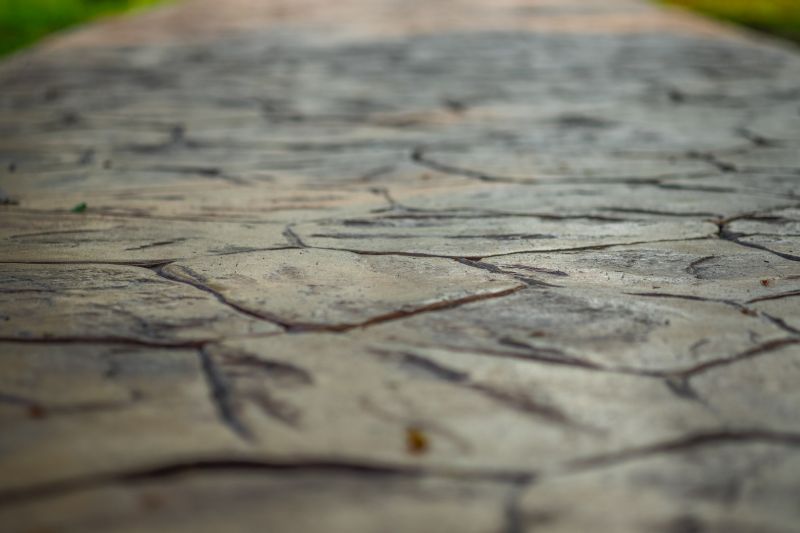
A decorative stamped walkway with contrasting colors.
High-end options that actually feel worth it for Stamped Concrete Service.
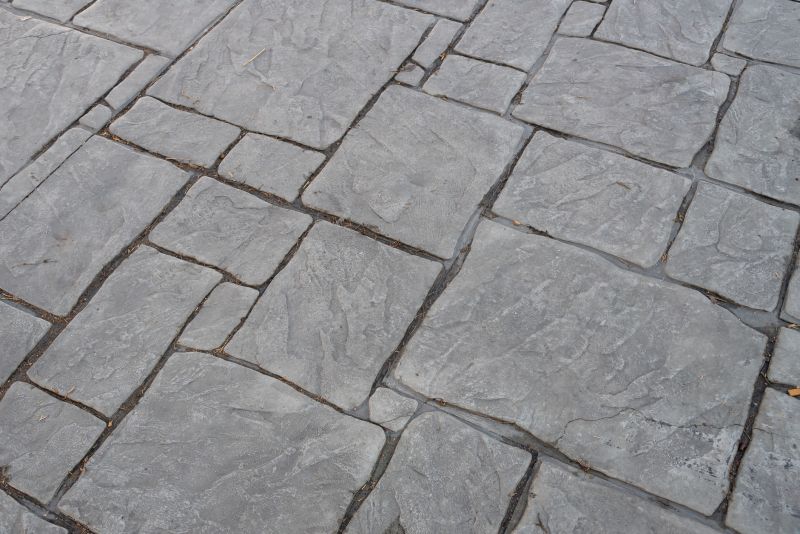
Finishes and colors that play nicely with Stamped Concrete Service.
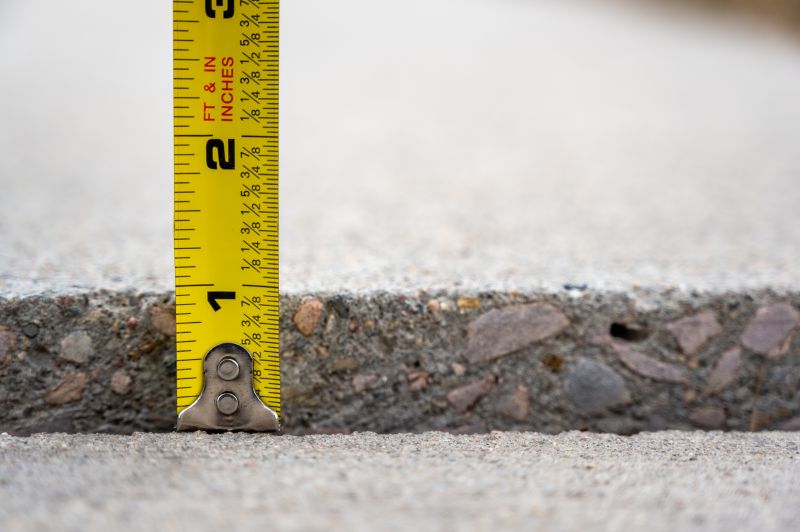
Little measurements that prevent headaches on Stamped Concrete Service day.
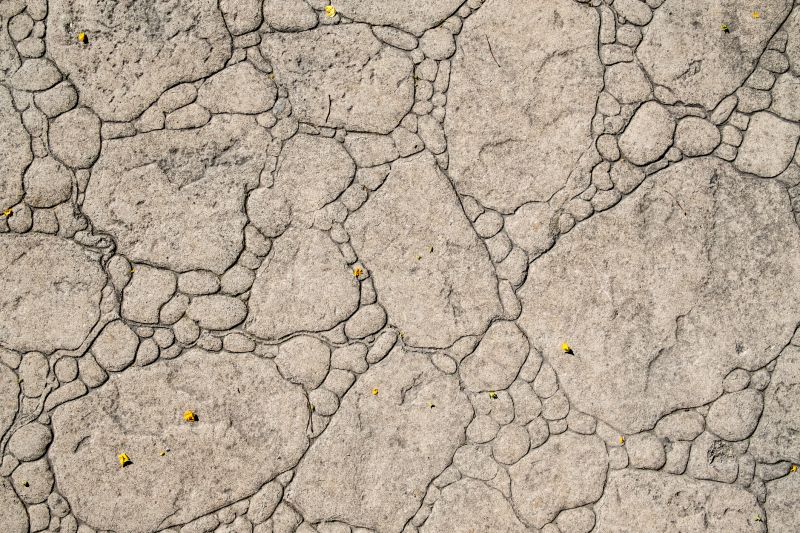
A 60-second routine that keeps Stamped Concrete Service looking new.
| Season | Optimal Conditions |
|---|---|
| Spring | Moderate temperatures, less rain, ideal for curing. |
| Summer | Warm and dry, but requires shading to prevent cracking. |
| Early Fall | Cooler temperatures, low humidity, suitable for installation. |
| Winter | Cold and wet, not recommended due to curing challenges. |
| Late Spring to Early Fall | Preferred window for best results in Seattle. |
Timing stamped concrete services appropriately enhances durability and aesthetic quality. Planning installations during favorable weather minimizes risks associated with moisture, temperature fluctuations, and surface imperfections. Consulting with experienced professionals can help determine the most suitable period for a specific project, ensuring long-lasting results.
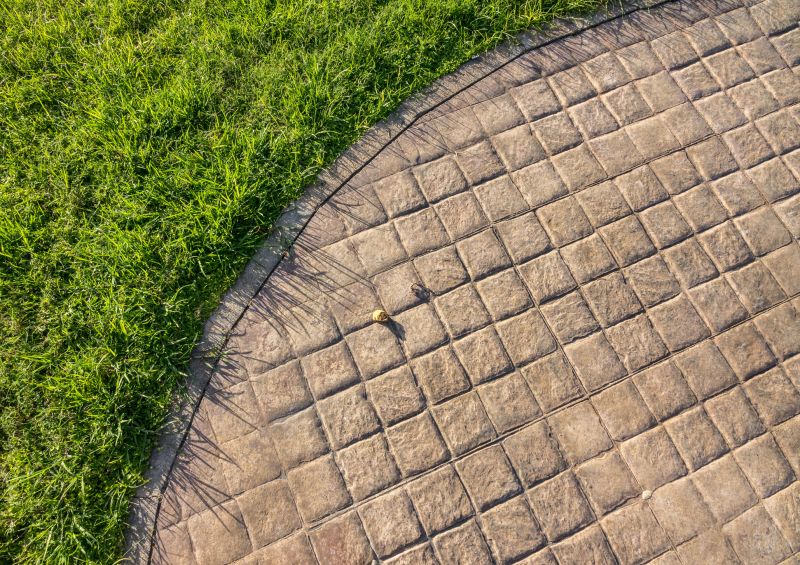
Various stamped concrete projects across different seasons.
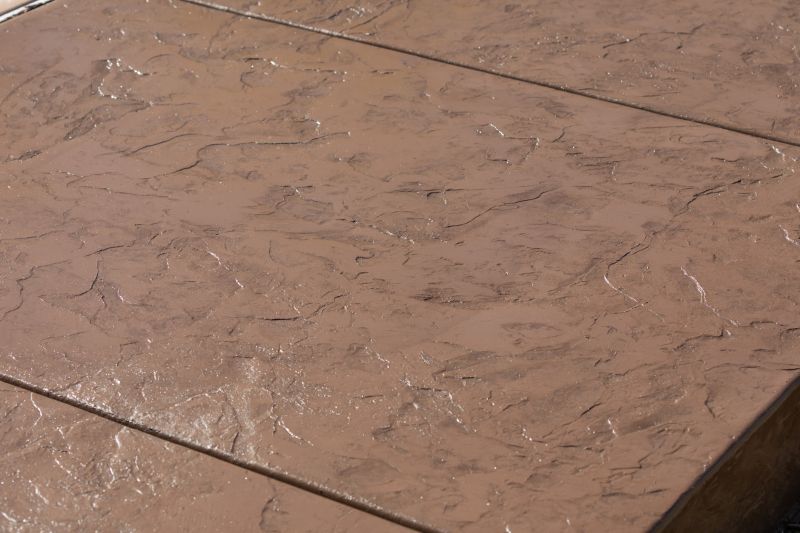
Vivid coloring applied during optimal weather conditions.
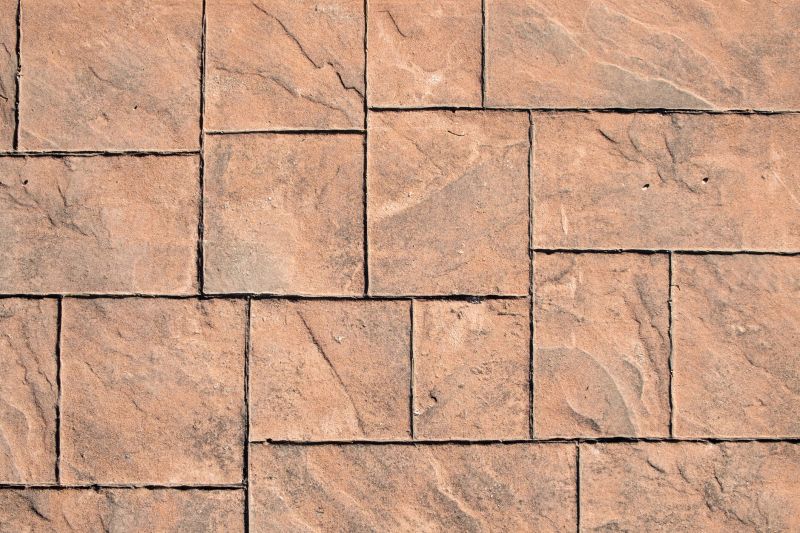
Detailed view of stamped concrete patterns and textures.
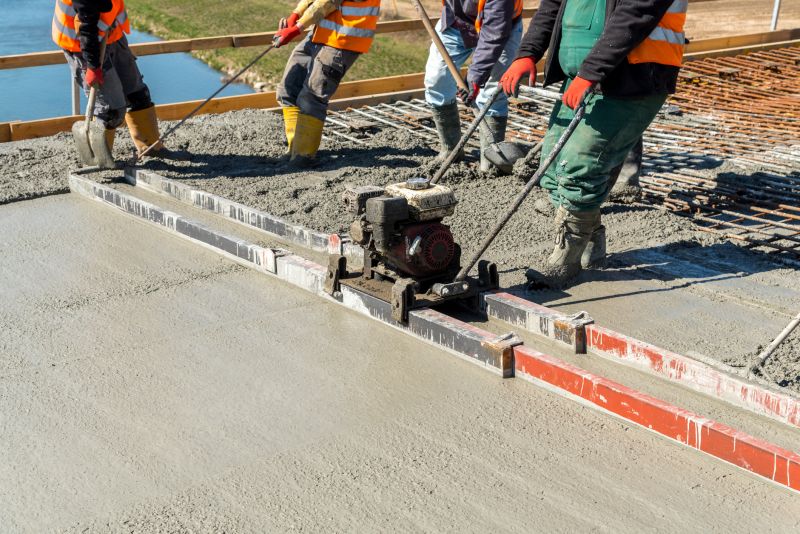
Concrete being stamped under summer conditions.
A frequent mistake in Stamped Concrete Service and how to dodge it.
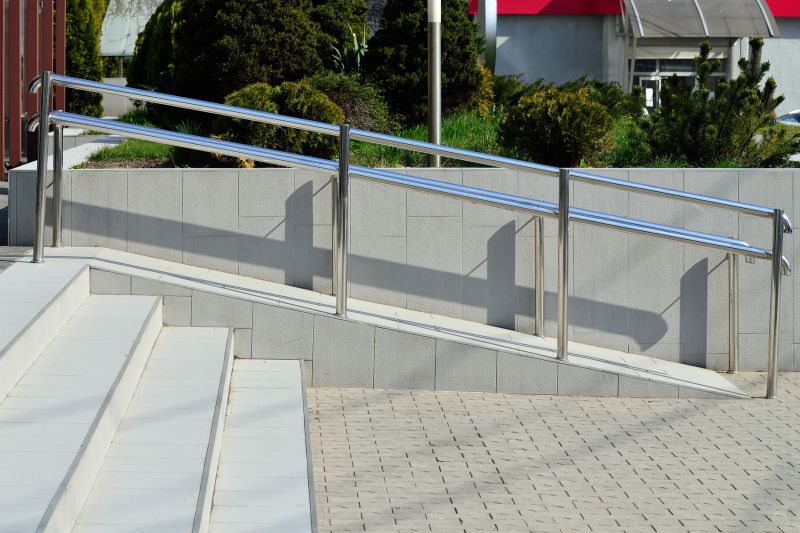
Small tweaks to make Stamped Concrete Service safer and easier to use.
Lower-waste or water-saving choices for Stamped Concrete Service.
The short, realistic tool list for quality Stamped Concrete Service.
Interested parties are encouraged to contact for more information or to schedule a stamped concrete project. Proper timing and preparation are key to achieving the desired decorative effect and ensuring the longevity of the installation.